
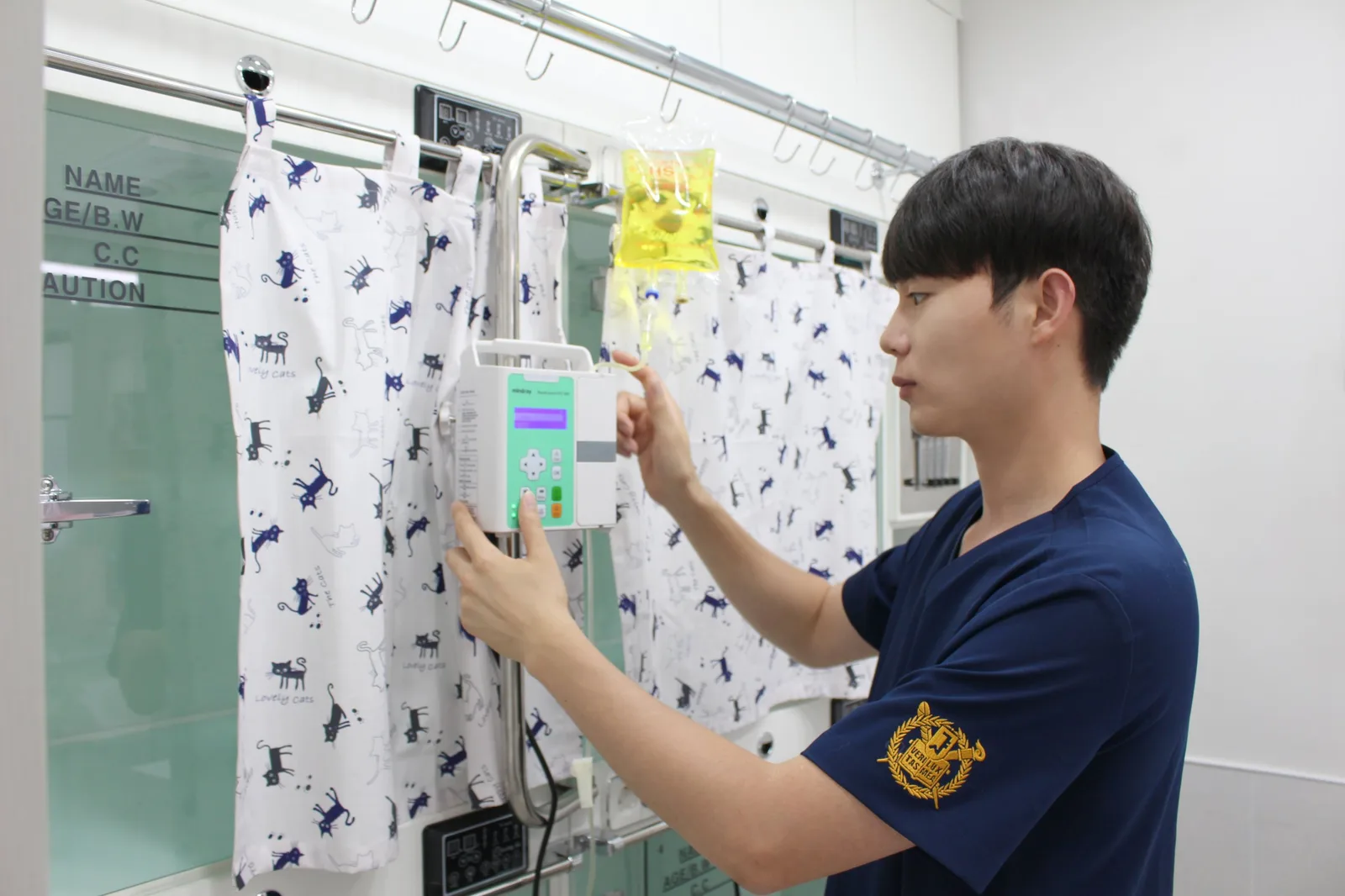
Safe Anesthesia & Pain-Free Surgery Clinic
The most attentive pain care for patients who cannot speak
Overview
Animals cannot tell us when they're in pain. That's why many owners wonder, 'The surgery went well, so why is recovery so slow?' The answer lies in meticulous pain management before, during, and after surgery.
At Nuel Animal Hospital, even routine procedures like spays and dental cleanings receive our full pain protocol — built on WSAVA guidelines and our clinical training experience. Pre-emptive pain control means faster, more comfortable recovery.
What Makes Us Different
Pre-emptive Analgesia Protocol
We block pain before it starts. Pre-op analgesic injection + nerve block → intra-op CRI → post-op local analgesia + pain scoring — a three-stage approach to pain control.
Same Standard for Every Procedure
Whether it's a dental cleaning or orthopedic surgery, we apply the same pain management standard. No procedure is too 'minor' for proper pain control.
Evidence-Based, International Standards
Our protocols follow the WSAVA 2022 Pain Management Guidelines. Dr. Lee attended the WSAVA 2023 Congress in Lisbon to stay current with the latest advances.
Symptoms to Watch For
Our Process
Pre-Assessment
Evaluate underlying conditions and anesthesia risk
Pre-emptive Analgesia
Pre-operative analgesic injection
Intra-op Monitoring
Continuous CRI analgesia + real-time vital monitoring
Post-op Pain Control
Local analgesia + pain scoring assessment
Discharge & Follow-up
Home pain management guidance + recovery monitoring
Related case reports
 Case ReportsBeforeAfter
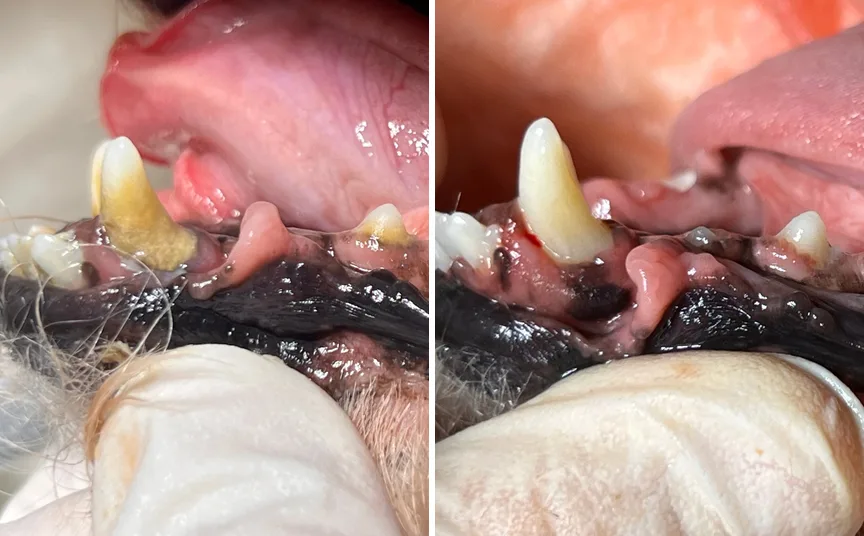
Chronic Nasal Discharge in a Dog: What Was Behind It?
Pony, a 15-year-old dog with heart disease and reduced kidney function, had a year of foul nasal discharge and sneezing. An oronasal fistula from severe periodontitis was repaired with extractions after three weeks of medical stabilization, and his symptoms greatly improved.
 Case ReportsBeforeAfter
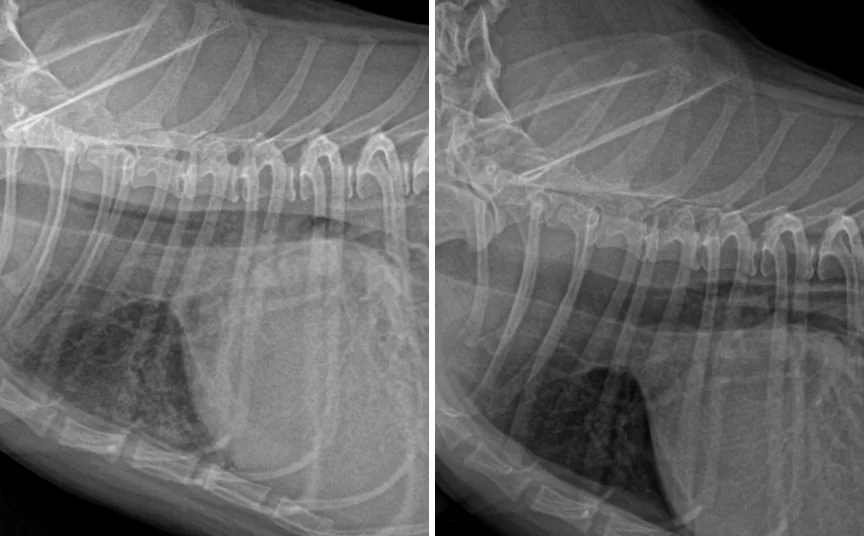
Dog Pulmonary Edema: From Coughing Emergency to Stable Care
Juri, a 12-year-old dog with early heart disease, came in with a worsening cough. Raised proBNP and chest X-rays showed pulmonary edema from heart disease. Emergency diuretics with pain relief and sedation stabilized her breathing, and she remains stable on heart medication.
 Case ReportsBeforeAfter
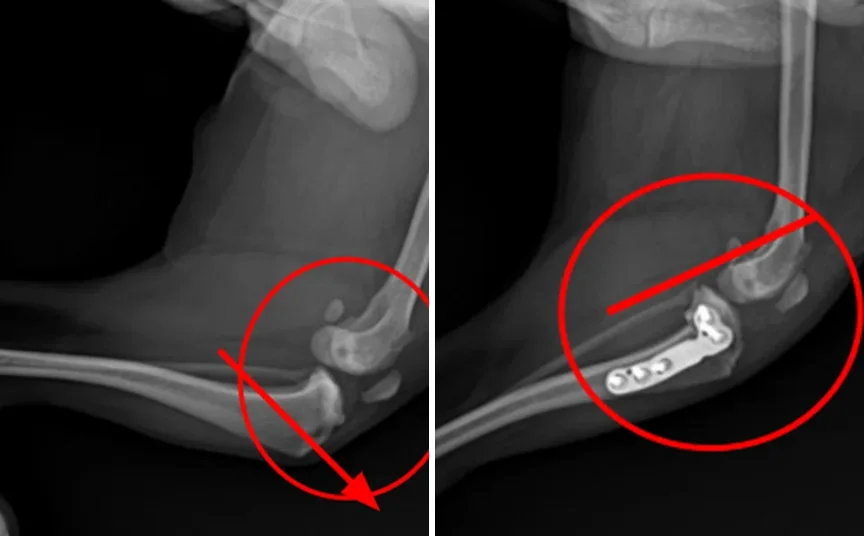
TPLO Surgery in Dogs: Why Pain Management Matters
Wawa, a 6-year-old Chihuahua with patellar luxation, suddenly began limping on her left hind leg. A cruciate ligament rupture was treated with TPLO, stepwise pain care and rehabilitation, and she was walking close to normal four months later.
 Case ReportsBeforeAfter
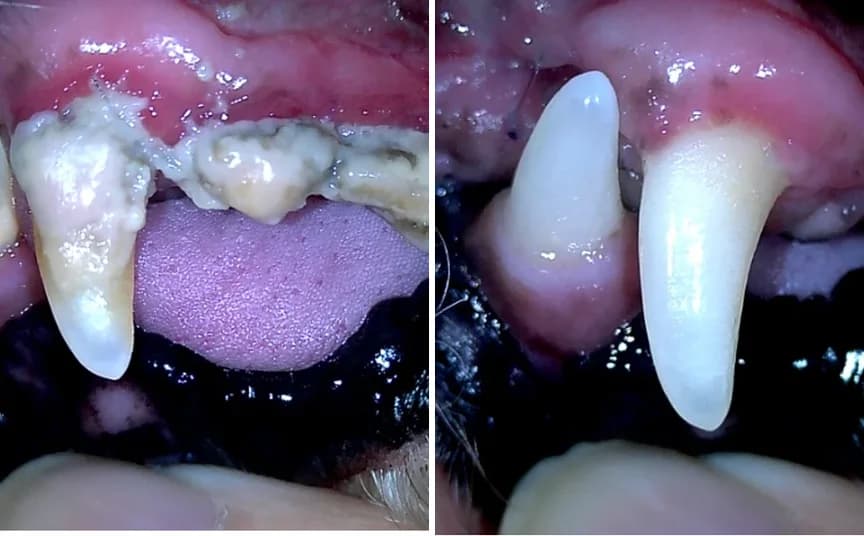
Dental Cleaning for a 12-Year-Old Dog: Is It Possible with Heart Disease?
Ruby, 12, on heart medication for mitral valve disease, came in with poor appetite and bad breath. After a cardiac assessment, scaling and extractions under heart-tailored anesthesia went smoothly.
 Case ReportsBeforeAfter
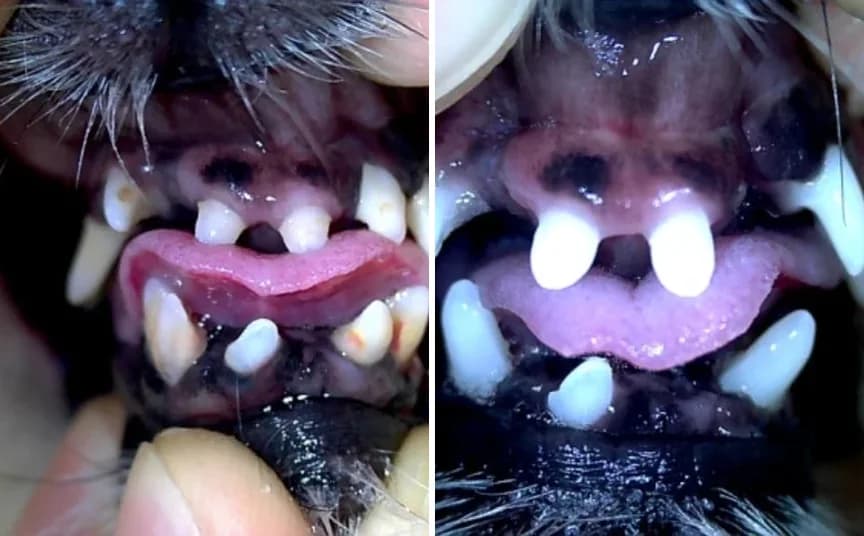
Safe Anesthesia and Dental Cleaning for a Tiny Dog with Seizures
Duri, a 7-year-old toy dog on anticonvulsants since 2023 and with hypothyroidism, underwent dental cleaning and extractions with a full pre-anesthetic work-up, low-dose stepwise anesthesia and multimodal pain control, and recovered without seizures.

Wobbly Legs in a Dog? Safe Pain Care Even With Heart Disease
Gaeul, a 15-year-old Pomeranian, was a senior dog for whom analgesics were hard to prescribe because of heart disease. This case shows how her chronic joint pain — from bilateral patellar luxation and hip and spinal changes — was safely managed with a pain-care injection that places minimal burden on the body.
FAQ
Is anesthesia really necessary for dental cleaning?
Isn't anesthesia dangerous for my animal?
How do you manage pain after surgery?
What does 'pain-free surgery' mean?
Can senior dogs or dogs with heart disease be anesthetized?
How long should my pet fast before anesthesia?
Safe Anesthesia & Pain-Free Surgery Clinic
The most attentive pain care for patients who cannot speak
📞 Call to Book