
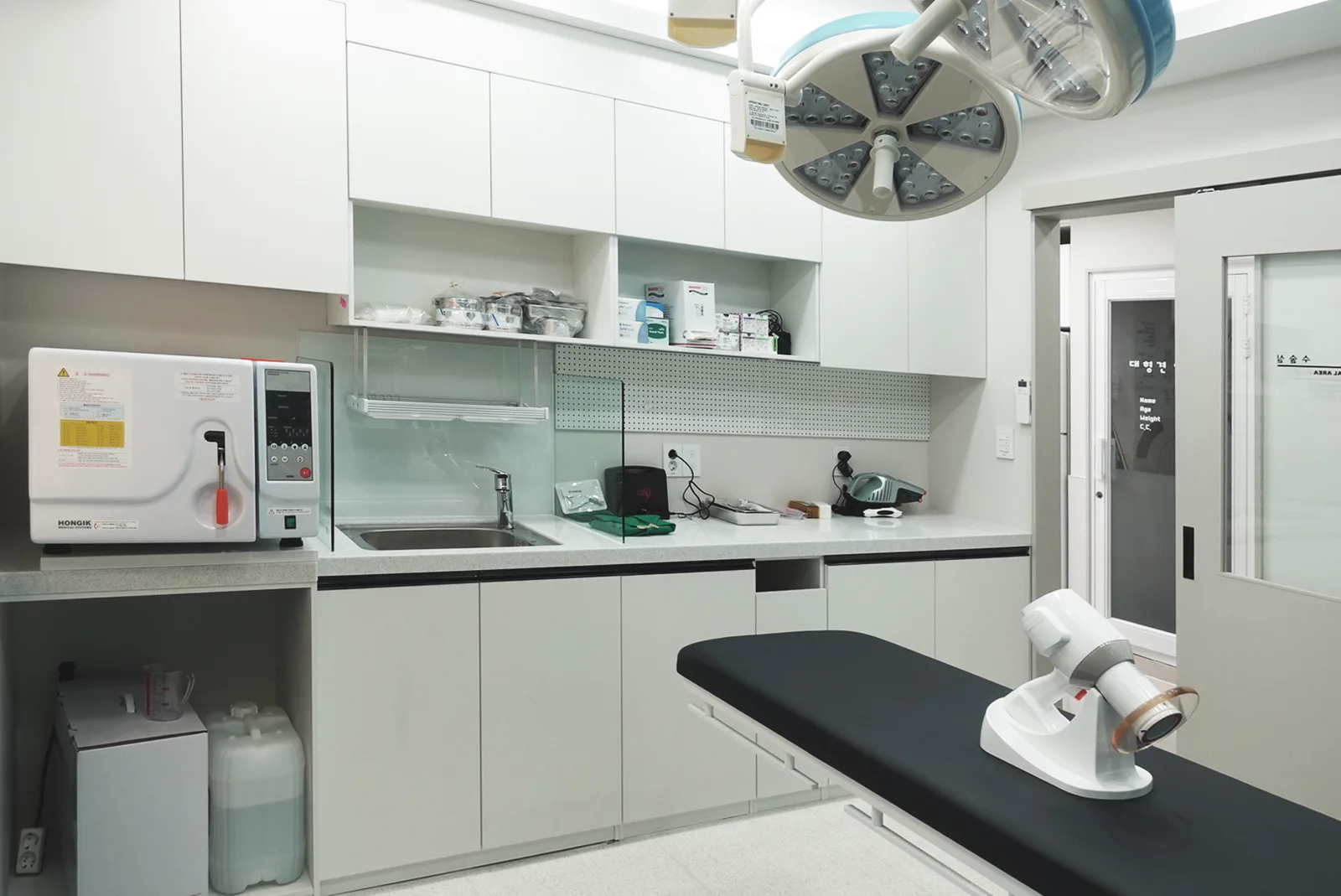
Anesthesia for High-Risk Patients
Careful anesthesia for senior pets and patients with heart disease, seizures and other conditions — from assessment to recovery
Owners of senior pets or pets with heart disease, kidney disease or seizures are often told that anesthesia is too risky. Yet leaving dental disease or pain untreated is also a heavy burden for the patient.
At Nuel Animal Medical Center, anesthesia and pain management are the standard for every procedure, and the higher the risk, the more time we spend on pre-anesthetic assessment, intra-operative monitoring and recovery pain care. Risk cannot be eliminated, but a patient-specific plan aims to reduce it.
Patients who need extra preparation
From assessment to recovery
Pre-anesthetic assessment
- ✓Physical exam with heart and lung auscultation
- ✓Blood tests (organ function, electrolytes)
- ✓Chest X-rays and blood pressure
- ✓Echocardiogram or abdominal ultrasound when needed
- ✓Review of current medications and recent symptoms
Patient-specific anesthetic plan
- ✓Drugs chosen around the underlying condition
- ✓Low-dose, stepwise induction
- ✓Pre-emptive analgesia to reduce anesthetic requirements
- ✓Fluid and temperature management plan
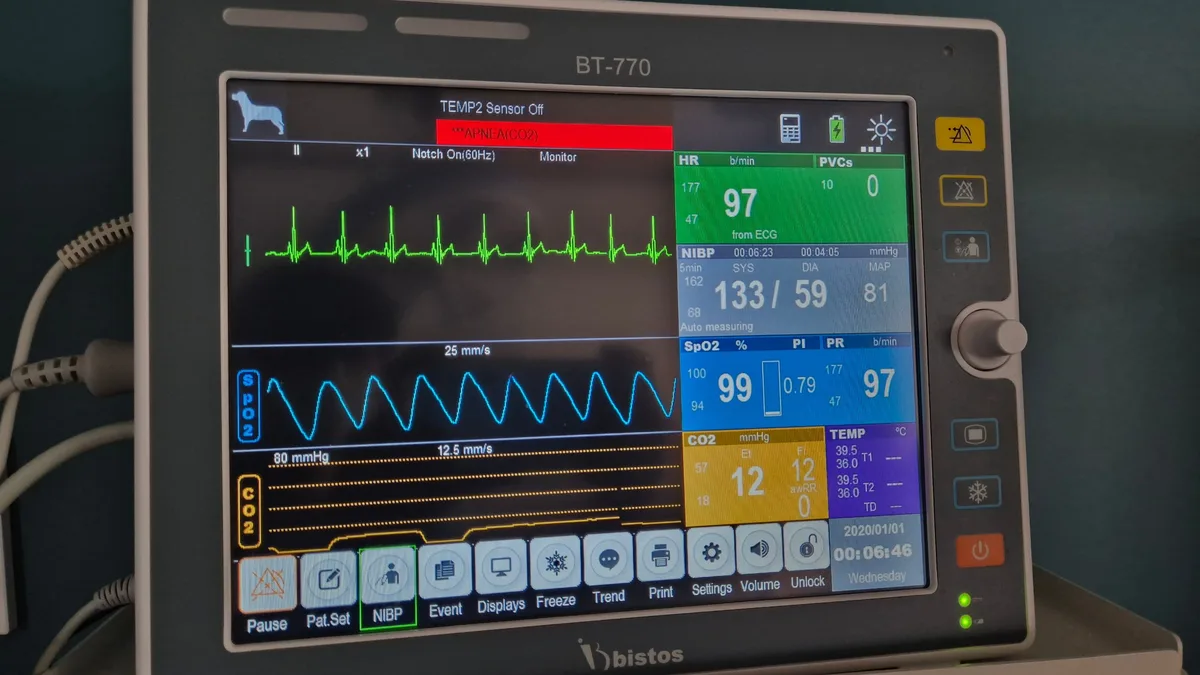
Real-time monitoring
- ✓ECG
- ✓Blood pressure
- ✓Oxygen saturation
- ✓End-tidal CO₂ (breathing)
- ✓Body temperature
Recovery care
- ✓Close observation during recovery
- ✓Multimodal pain management
- ✓Continuing regular medications (anticonvulsants, heart medication)
- ✓Home-care instructions and recheck plan

Related case reports
 Case ReportsBeforeAfter
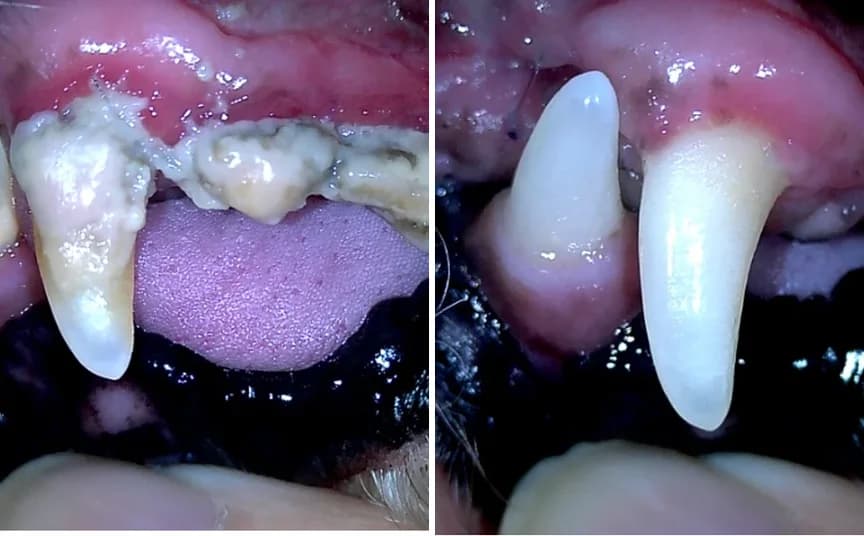
Dental Cleaning for a 12-Year-Old Dog: Is It Possible with Heart Disease?
Ruby, 12, on heart medication for mitral valve disease, came in with poor appetite and bad breath. After a cardiac assessment, scaling and extractions under heart-tailored anesthesia went smoothly.
 Case ReportsBeforeAfter
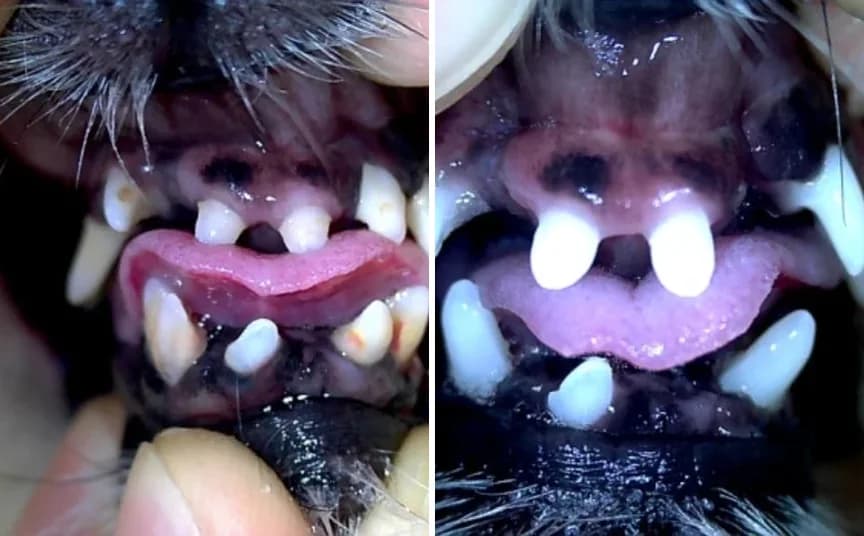
Safe Anesthesia and Dental Cleaning for a Tiny Dog with Seizures
Duri, a 7-year-old toy dog on anticonvulsants since 2023 and with hypothyroidism, underwent dental cleaning and extractions with a full pre-anesthetic work-up, low-dose stepwise anesthesia and multimodal pain control, and recovered without seizures.

Wobbly Legs in a Dog? Safe Pain Care Even With Heart Disease
Gaeul, a 15-year-old Pomeranian, was a senior dog for whom analgesics were hard to prescribe because of heart disease. This case shows how her chronic joint pain — from bilateral patellar luxation and hip and spinal changes — was safely managed with a pain-care injection that places minimal burden on the body.
FAQ
Is my pet too old for anesthesia?
What extra tests are done for heart disease?
Can anesthesia trigger seizures?
Another clinic said anesthesia is too risky. Can I get a second opinion?
Worried about anesthesia? Talk to us first
Careful anesthesia for senior pets and patients with heart disease, seizures and other conditions — from assessment to recovery
📞 031-373-7588