
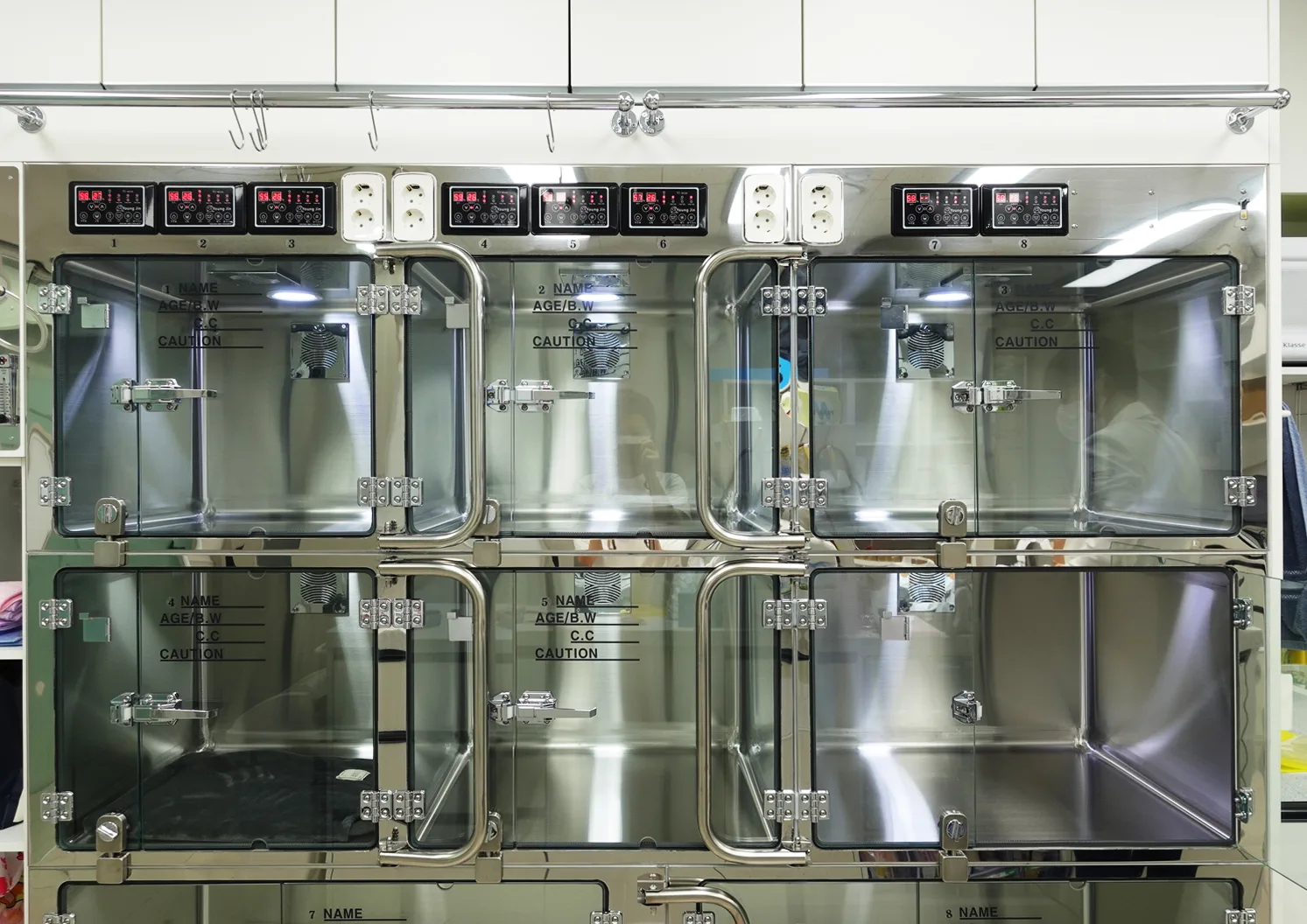
Chronic Disease Management Clinic
It's not just 'getting old'
Overview
Low energy, sleeping more, drinking excessively, a swollen belly, hair loss — these changes are often dismissed as aging. But behind them may lie hormonal conditions like Cushing's syndrome, thyroid disease, or diabetes.
Our chronic disease clinic goes beyond normalizing lab values — we aim to make each day comfortable for the patient. We build realistic management plans together so owners don't burn out either.
What Makes Us Different
Day-by-Day Quality of Life
We don't just chase lab numbers. We track appetite, activity, and sleep alongside bloodwork to fine-tune medication.
Sustainable Plans for Owners
Chronic disease is a long journey for owners too. We adjust medication schedules, monitoring, and visit frequency to fit your lifestyle.
Symptoms to Watch For
Our Process
Comprehensive Blood Panel
Hormone levels + organ function assessment
Diagnosis & Discussion
Confirm diagnosis, discuss prognosis and management plan
Start Medication
Tailored prescription + home monitoring guidance
Ongoing Follow-up
Periodic bloodwork + dose adjustment + lifestyle counseling
Related case reports
 Case ReportsBeforeAfter
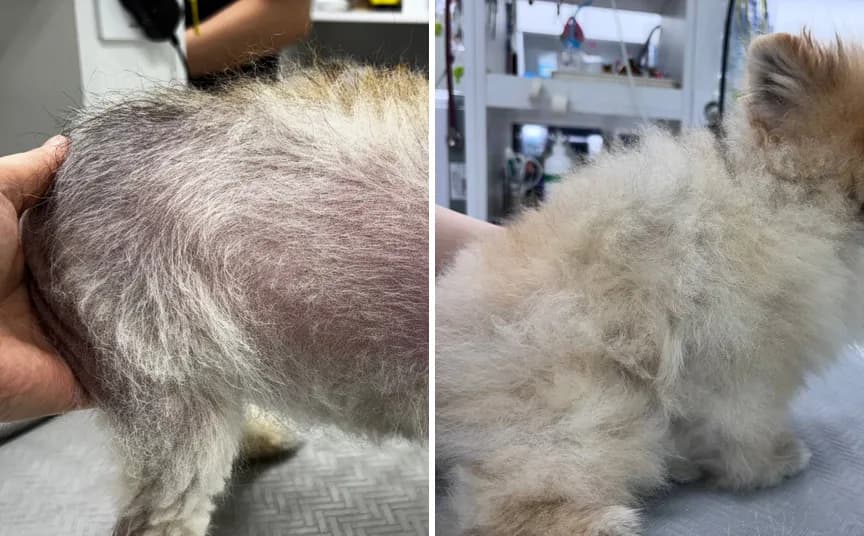
Dog Hair Loss: A Full Coat in 6 Months with Hypothyroid Care
Heesu, a 7-year-old Pomeranian, had a thinning coat and heavy scaling. Symmetrical hair loss, low thyroid hormone and her medication history pointed to hypothyroidism, and hormone replacement with skin care brought clear coat regrowth after about six months.
 Case ReportsBeforeAfter
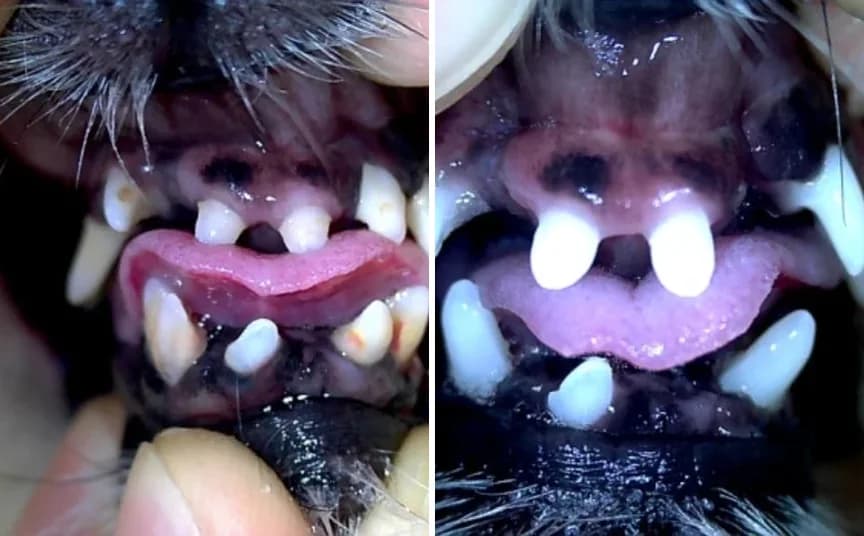
Safe Anesthesia and Dental Cleaning for a Tiny Dog with Seizures
Duri, a 7-year-old toy dog on anticonvulsants since 2023 and with hypothyroidism, underwent dental cleaning and extractions with a full pre-anesthetic work-up, low-dose stepwise anesthesia and multimodal pain control, and recovered without seizures.
 Case Reports
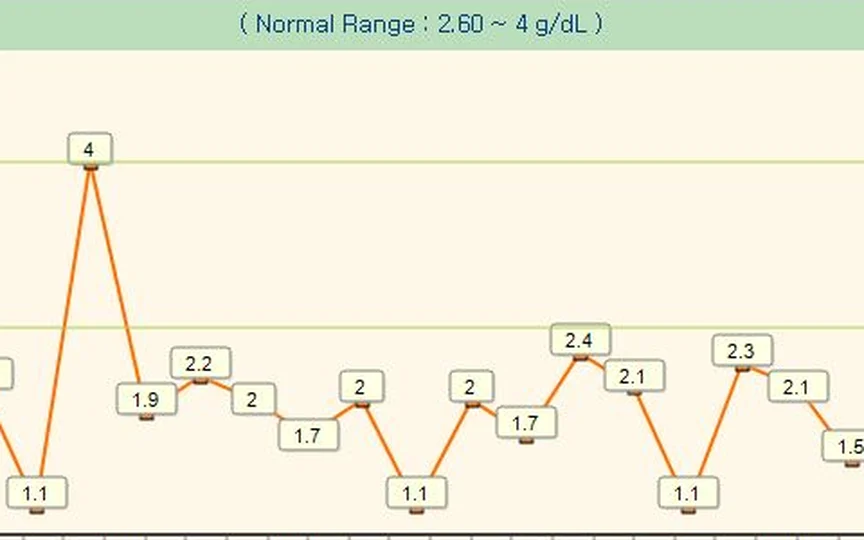
The Cause Behind Recurrent Diarrhea: Hypoalbuminemia in a Dog
Ara, 6, had recurrent diarrhea and poor appetite after pancreatitis. Biopsy confirmed chronic enteropathy, and he has been well managed over the long term with albumin transfusions and medication adjustments.