
⚠️ This article includes a dental procedure video showing some bleeding. It is hidden and only plays if you choose to open it.
Before and after scaling
Lower canine and premolars
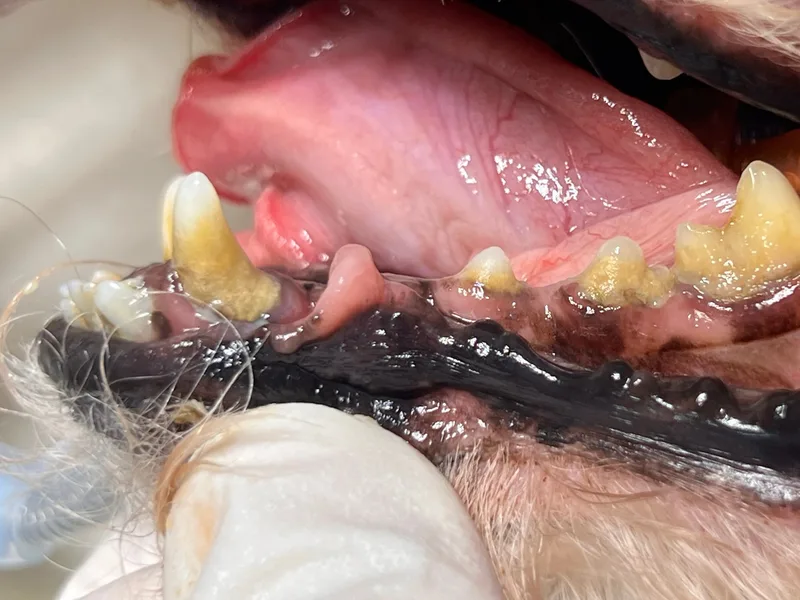
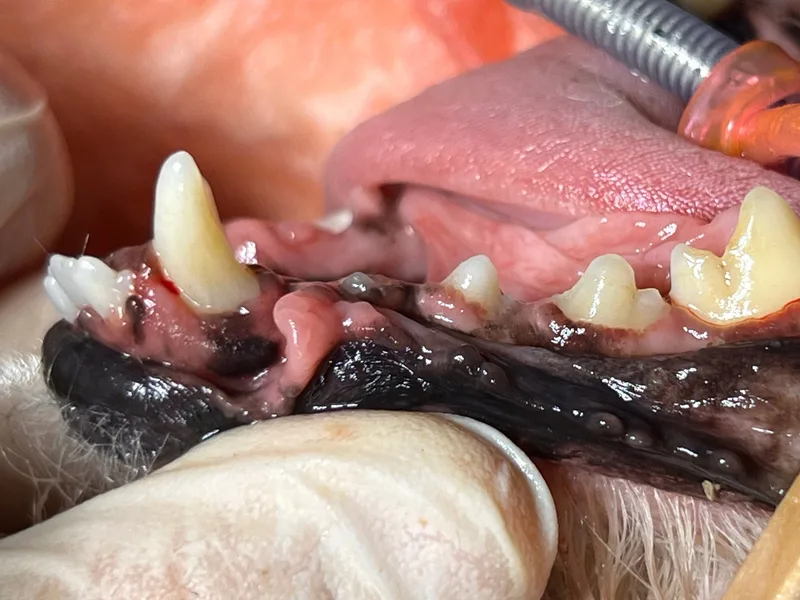
Left: heavy tartar and gum inflammation / Right: after scaling
Key points
- Patient: 15-year-old dog with heart disease and reduced kidney function
- Diagnosis: oronasal fistula from periodontitis
- Treatment: 3 weeks of stabilization, then extraction and fistula repair
- Outcome: nasal discharge and sneezing much improved
Runny nose and sneezing: just rhinitis?
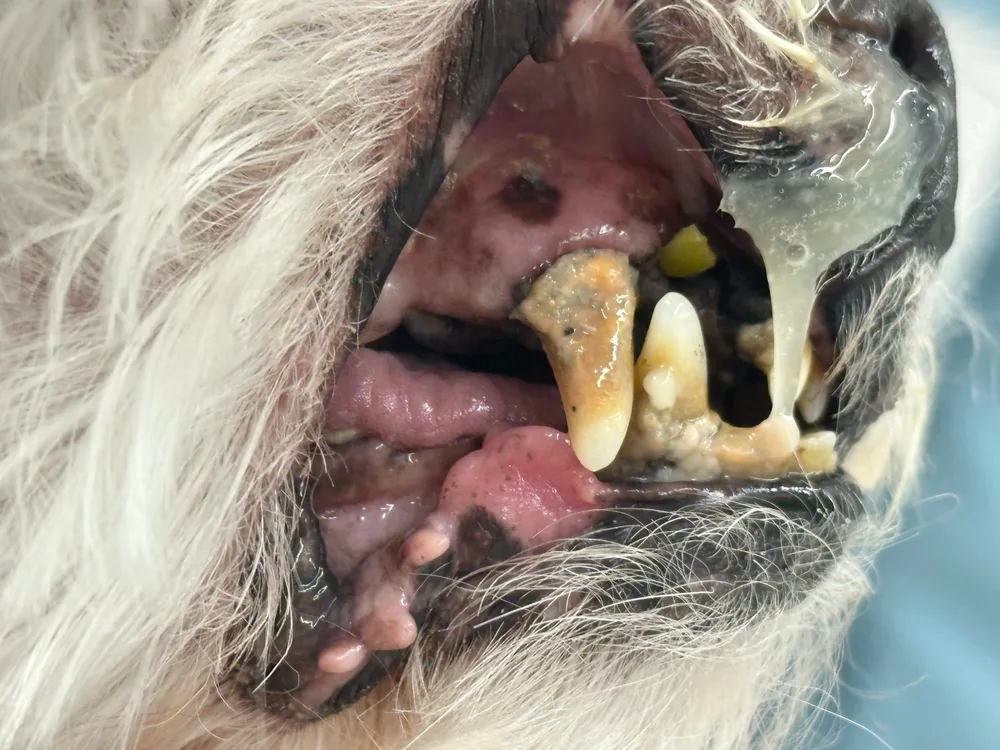
In older dogs, chronic nasal discharge can come from an oronasal fistula, a hole between the mouth and nasal cavity. The most common cause is severe periodontal disease that dissolves the bone around upper teeth; trauma, tumors and dental surgery complications are rarer causes. Signs include water running from the nose when drinking, sneezing after meals and foul-smelling discharge.
How was Pony when he came in?
| Patient | Pony (pseudonym), 15-year-old male dog |
|---|---|
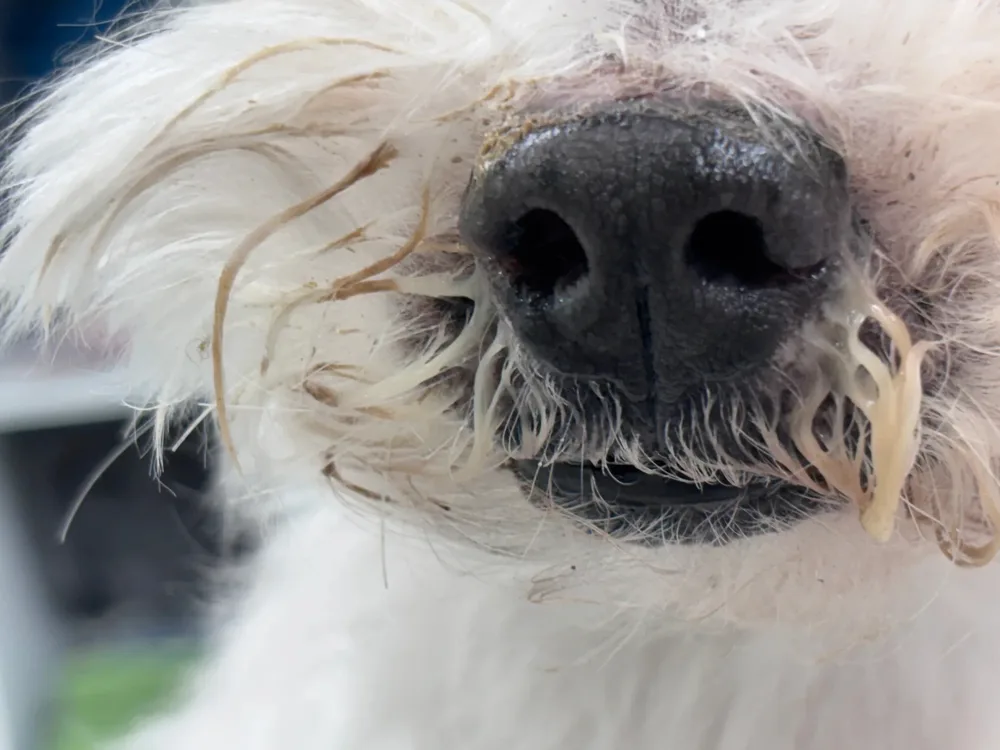
| Signs | About a year of foul nasal discharge, sneezing out debris, noisy breathing during sleep |
| History | Chronic heart disease (MMVD stage B2) on medication; previous pulmonary edema |
How was it diagnosed?
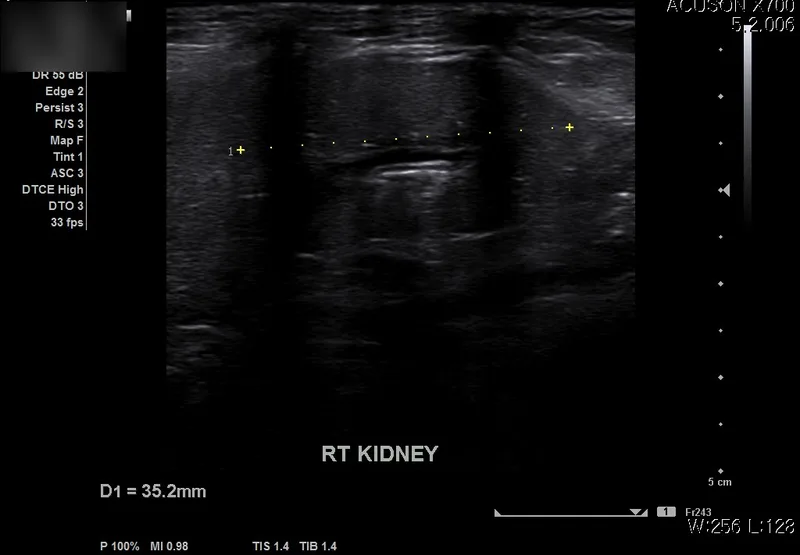
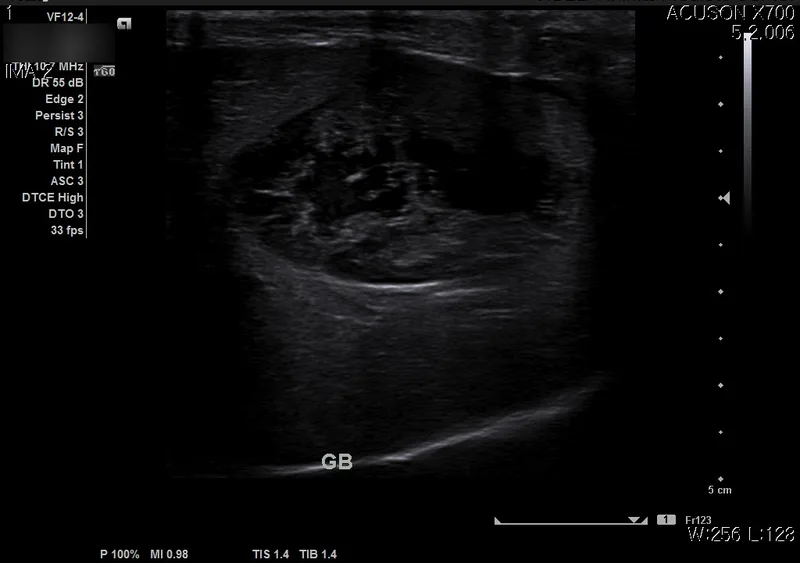
Because of his age and heart disease, we evaluated both the cause of the discharge and whether he could safely undergo anesthesia. He had a heart murmur, heavy tartar with loose teeth, and blood tests showed severe inflammation along with kidney, liver and heart strain. Ultrasound showed chronic kidney changes and gallbladder sludge.
| Test | Result | Reference | Meaning |
|---|---|---|---|
| WBC | 31.8 ×10³/µL | 5–20 | Severe inflammation |
| CRP | 75 mg/L | 0–9 | Severe inflammation |
| BUN | 83.7 mg/dL | 9.2–29.2 | Reduced kidney function |
| CREA | 1.47 mg/dL | 0.4–1.4 | |
| PHOS | 6.1 mg/dL | 1.9–5 | |
| proBNP | 1,403.2 pmol/L | 0–900 | Increased heart strain |
Can a dog with heart and kidney disease have surgery?
Not immediately. We first spent about three weeks stabilizing him: continuing his heart medication, controlling infection with antibiotics, protecting his organs, and managing a kidney diet and water intake. Before surgery his BUN had fallen from 83.7 to 50.4 mg/dL and CREA from 1.47 to 1.18 mg/dL, so we proceeded with close cardiac monitoring.
How was the surgery done?
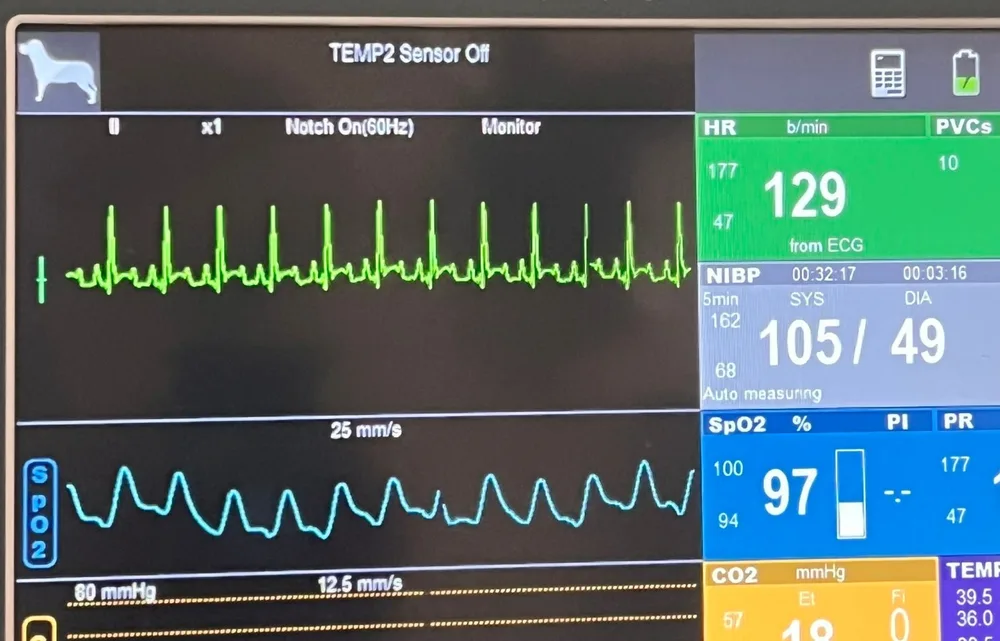
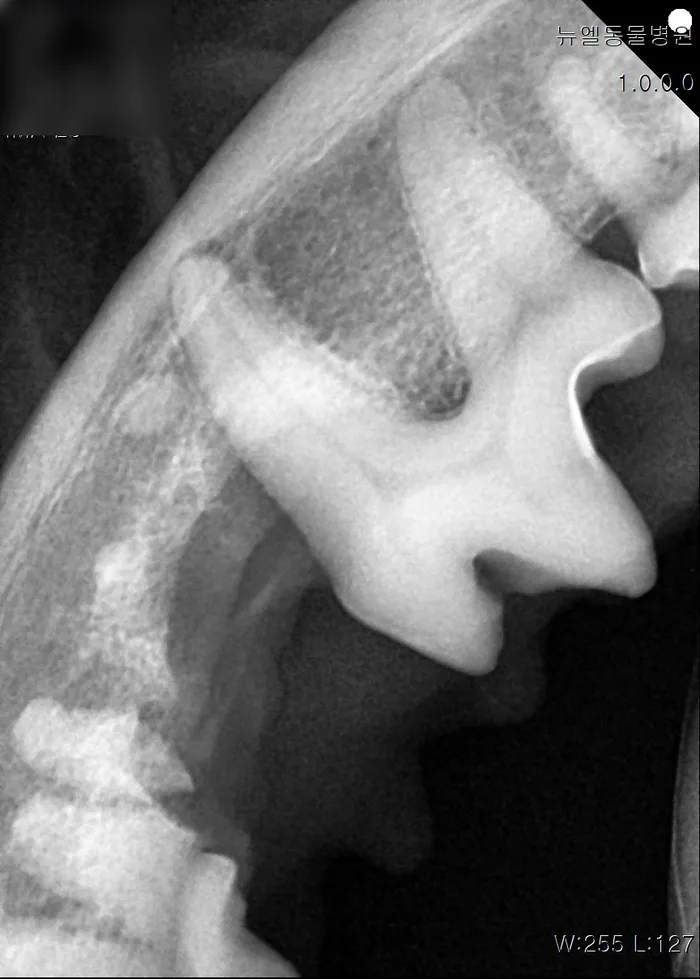
Under anesthesia we monitored ECG, blood pressure, oxygen saturation and CO₂ continuously. Dental X-rays and probing confirmed a fistula at the upper molars. After extractions and scaling, healthy gum tissue was moved over the hole and sutured to close the passage between mouth and nose.
⚠️ Contains bleeding — fistula check video. Tap to view
Recovery
Kidney values stayed stable after surgery (BUN 42.9, CREA 1.37 mg/dL). Three weeks later his foul discharge and sneezing had greatly improved and his appetite and energy had returned. He continues heart medication with liver and kidney support, a kidney diet, tooth brushing and regular checkups.

A word from the director
Senior pets often live with several chronic conditions at once. For dogs like Pony, careful evaluation and medical stabilization before surgery can matter even more than the surgery itself. If nasal discharge, sneezing or bad breath persists, please don't dismiss it as simple rhinitis.