
Chest X-rays before and after treatment
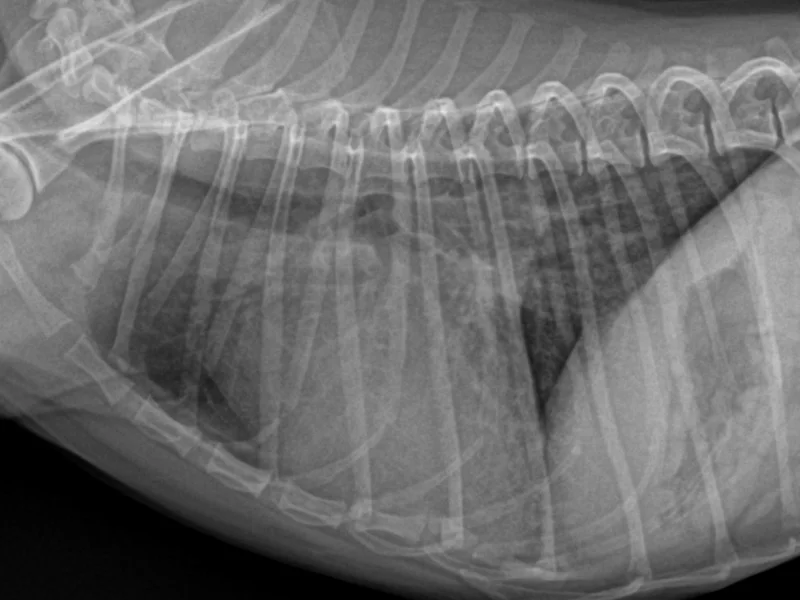
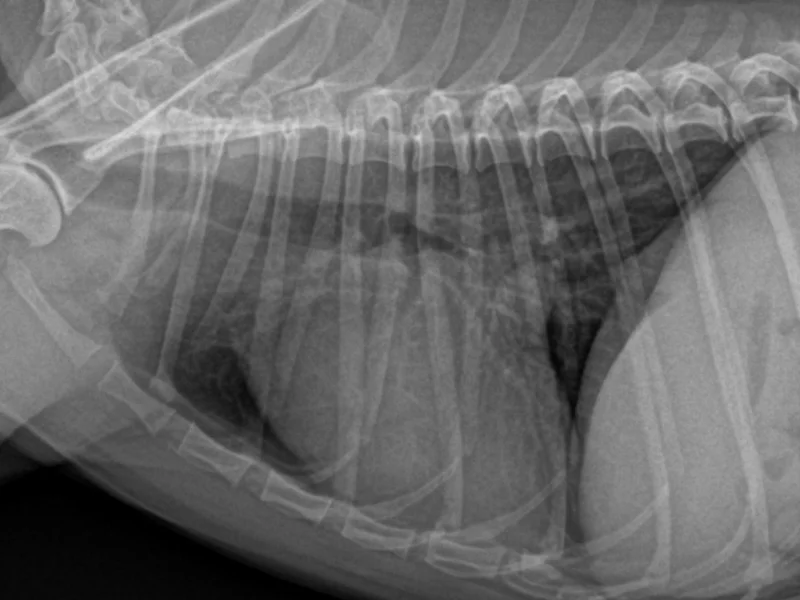
Left: hazy lung opacity from pulmonary edema / Right: clearer lungs after treatment
Key points
- Patient: 11-year-old Chihuahua under heart care
- Signs: sudden rapid breathing and panting
- Diagnosis: pulmonary edema from mitral valve disease (MMVD)
- Outcome: breathing stabilized, energy back, under regular care
Why is sudden rapid breathing dangerous in dogs?
If a dog with heart disease suddenly breathes fast or pants, pulmonary edema should be suspected first. Fluid fills the air sacs of the lungs so oxygen cannot be taken in properly — a life-threatening emergency. Signs include severe breathing difficulty, rapid breathing, open-mouth breathing, frothy pink sputum and weakness.
How are MMVD and pulmonary edema related?
Myxomatous mitral valve disease (MMVD) means the valve between the left atrium and left ventricle no longer closes properly, so blood flows backward. It is the most common heart disease in older small dogs. As the heart enlarges and weakens, blood backs up into the lungs and fluid leaks into them — cardiogenic pulmonary edema. Earlier warning signs include coughing at night, reduced activity, poor appetite and fainting.
What was Somi's condition?
| Patient | Somi (alias), 11-year-old female Chihuahua |
|---|---|
| Background | Regular health checks and ongoing heart care |
| Signs | Sudden labored breathing, panting after slight activity, lethargy |
| Respiratory rate | Over 40 breaths per minute |
How was the cause confirmed?
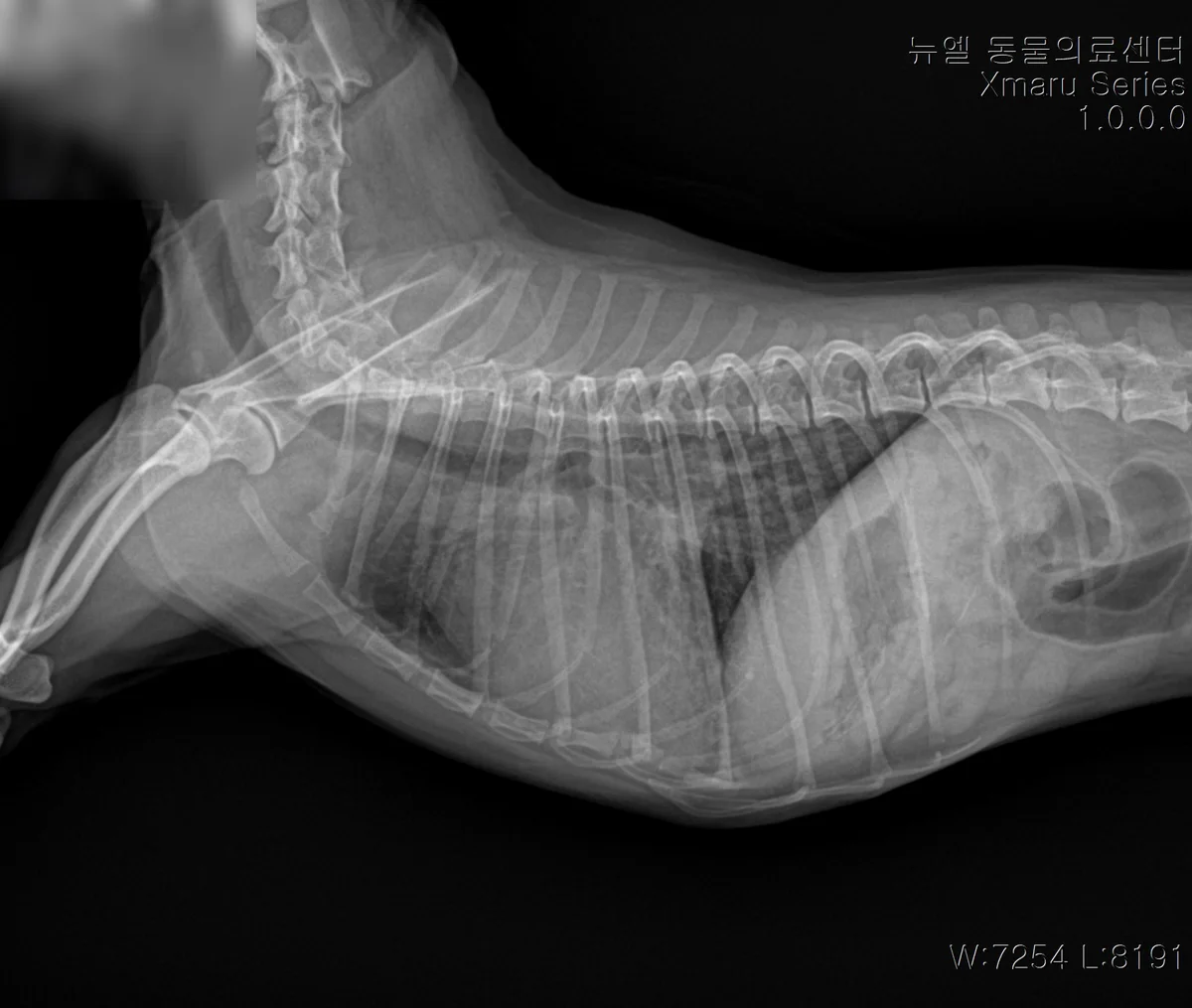
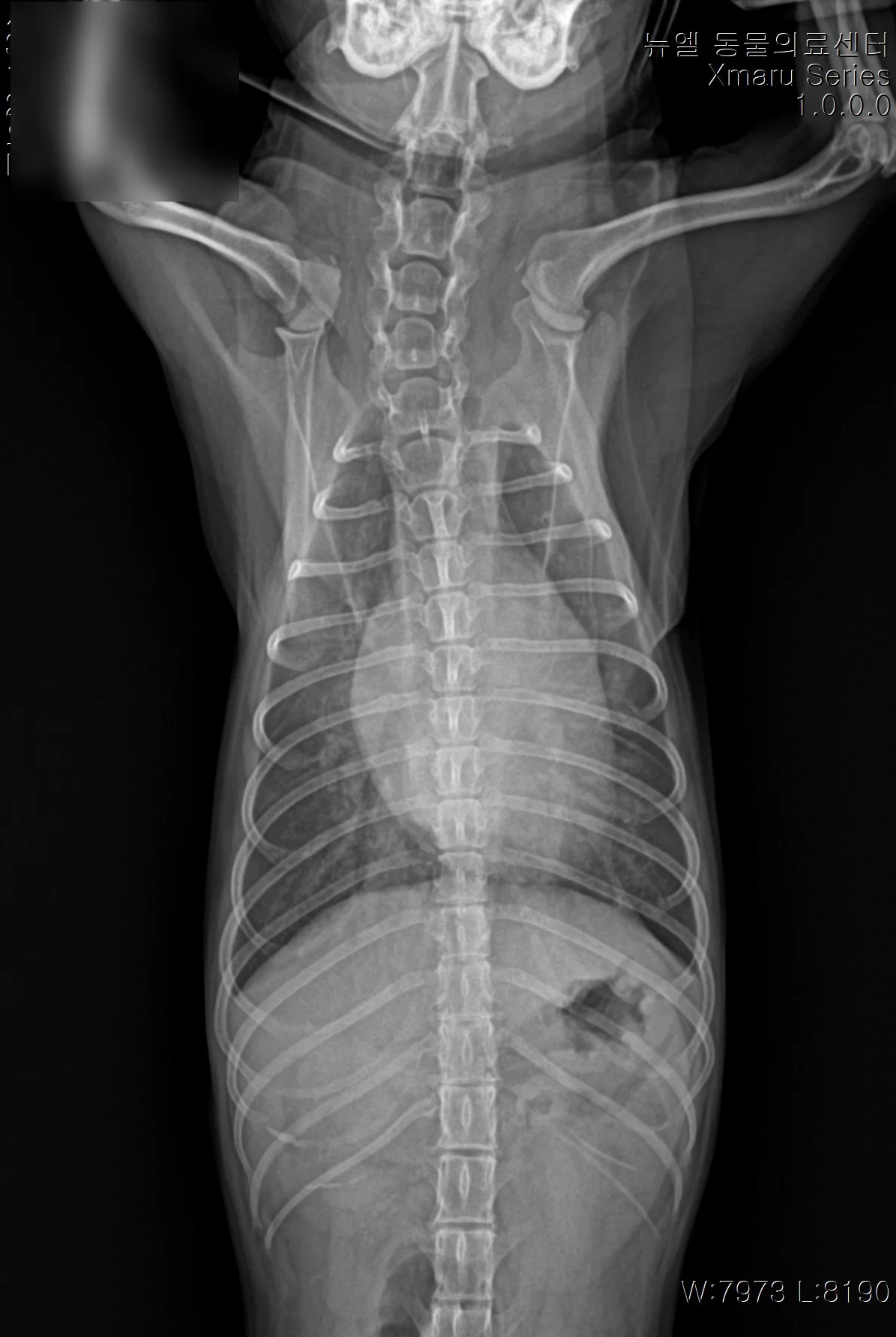
- Chest X-rays: increased lung opacity consistent with pulmonary edema
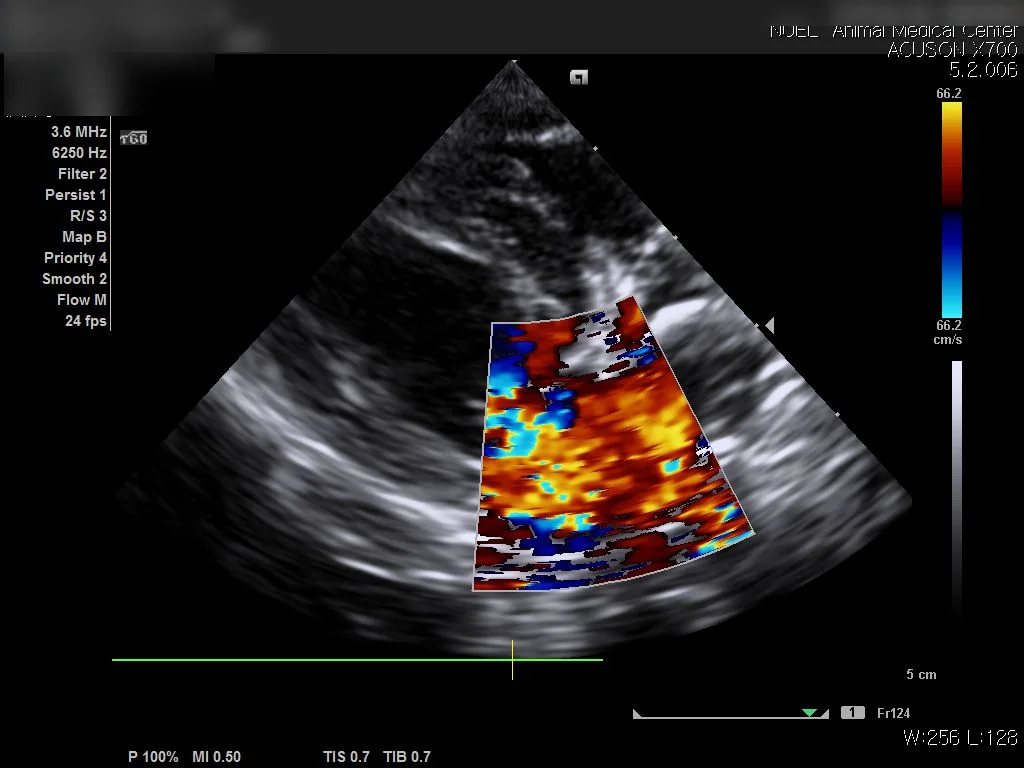
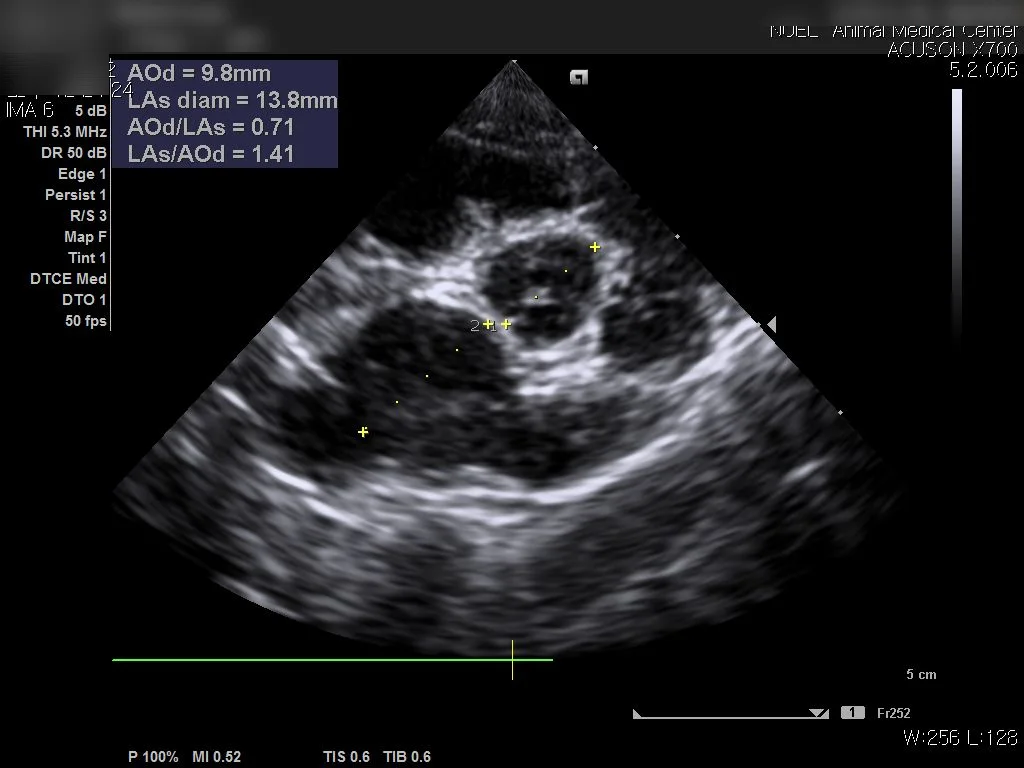
- Echocardiography: mitral regurgitation with left atrial and ventricular enlargement
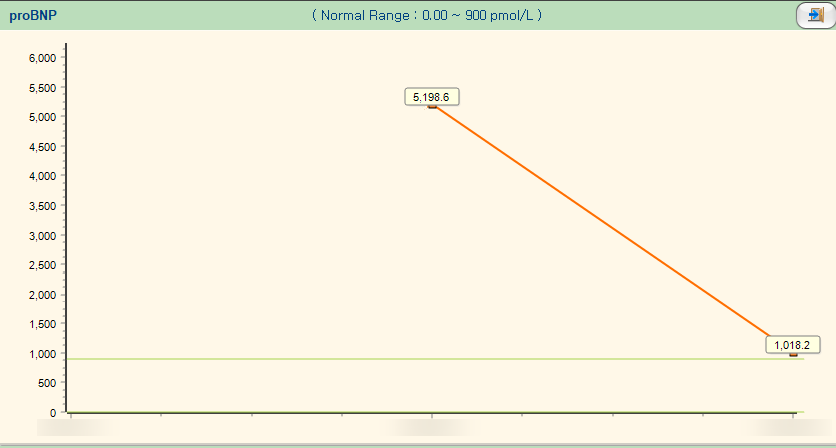
- proBNP blood test: far above the upper limit, indicating heavy cardiac strain
| Test | Result | Reference | Relevance |
|---|---|---|---|
| proBNP | 5,198.6 pmol/L ↑ | 0–900 | Very high cardiac strain |
How was Somi treated?
- Oxygen immediately on arrival to stabilize breathing
- Diuretics to remove lung fluid and reduce fluid load
- Medication supporting heart function
- Electrolyte and circulation support alongside diuretic therapy
- Close follow-up with echocardiograms and proBNP to adjust doses, tracking breathing, weight, appetite and activity daily
Chest X-rays before and after treatment
Left: hazy lung opacity from pulmonary edema / Right: clearer lungs after treatment
How did she improve?
| Time | Status |
|---|---|
| At presentation | Over 40 breaths/min, lethargic |
| After emergency treatment | 20–25 breaths/min, breathing comfortably without oxygen |
| Day 10 | Breathing difficulty greatly improved |
| Recheck | proBNP down to 1,018.2 pmol/L |
Home care after discharge
- Count resting breaths daily; if over 30 per minute at rest or breathing looks labored, call us right away
- Give medication without missing doses and avoid strenuous exercise and stress
- Rechecks every 4–6 weeks with echocardiography and blood tests
- Regular check-ins with the owner on condition and breathing rate

A word from the director
Somi, an older Chihuahua, came in urgently with heart failure and pulmonary edema from MMVD. Prompt oxygen therapy and medication tailored to her condition stabilized her breathing and brought back her energy. Pulmonary edema is an emergency, but small signs often come first — resting breathing rate, appetite and weight changes at home make a real difference. If a dog with heart disease is breathing faster than usual, contact us without delay.